Leather, an inherently circular material
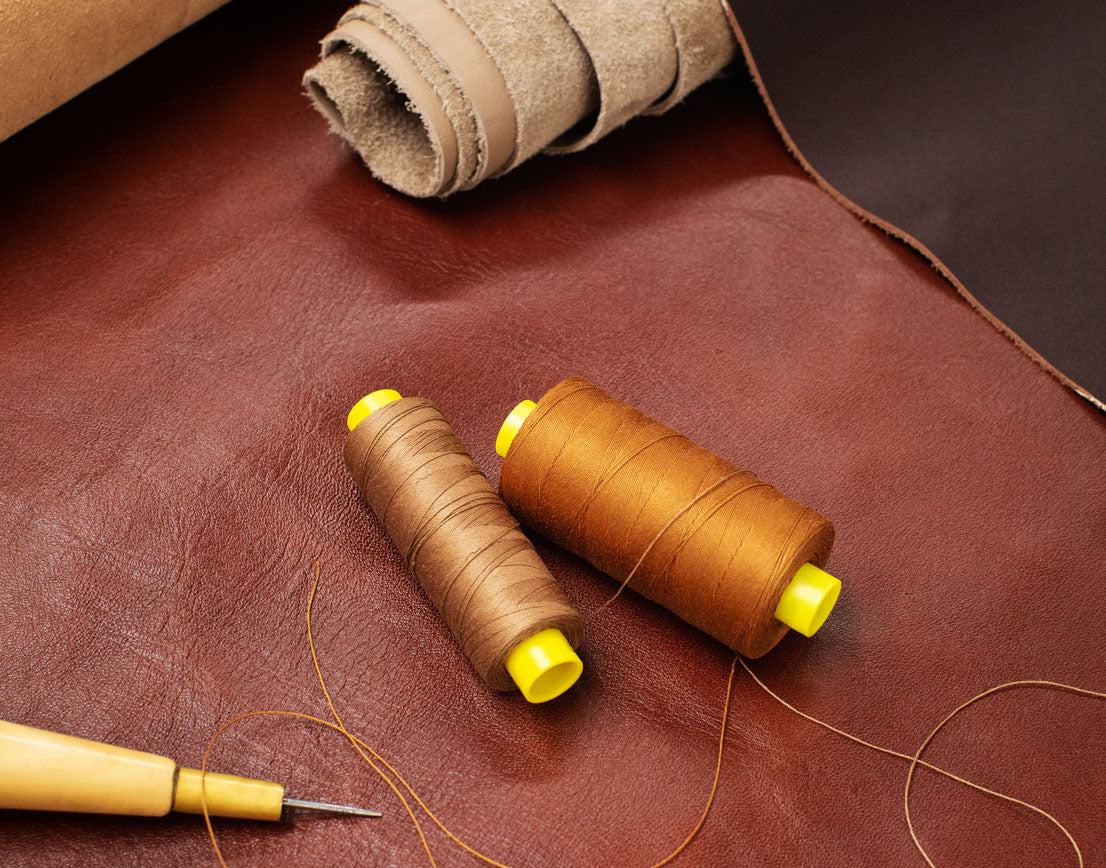
Leather lies at the heart of our expertise. It represents 70% of the raw materials we use to create our leather goods and accessories. Born from the recovery of a by-product — the thousands of tonnes of hides generated each day by the slaughter of animals intended for meat consumption — leather is a high-performing, durable material with inherently circular potential.
Towards more responsible tanning
However, processing hides in tanneries consumes large quantities of water and requires the use of chemicals such as chromium to soften them.
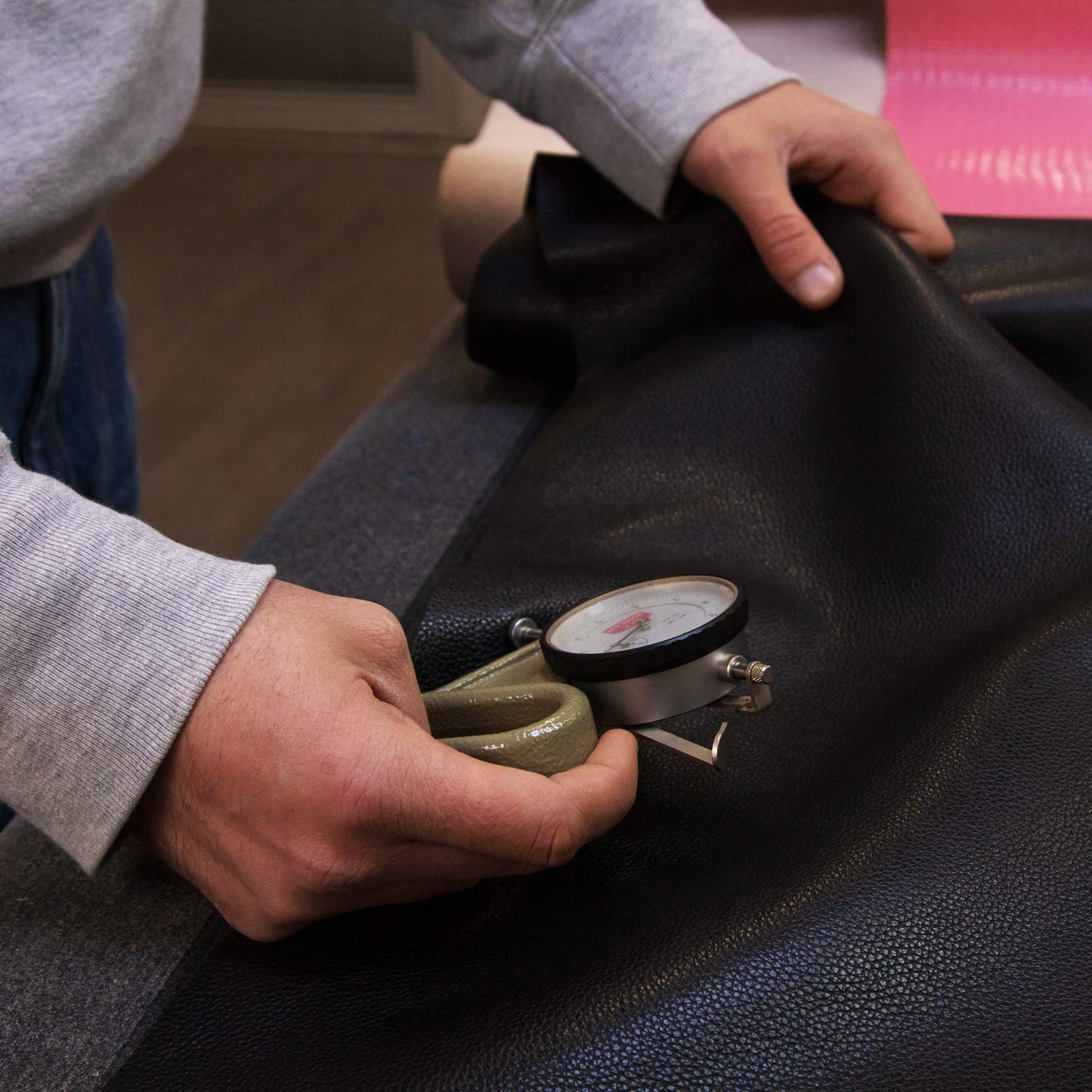
That is why, since 2005, the Leather Working Group (LWG), a non-profit organisation bringing together 1300 stakeholders from across the leather sector, has assessed tannery compliance in terms of water and energy consumption, waste management, atmospheric and noise emissions, traceability, health and safety, and the use of restricted substances.
4 of our 5 partner tanneries are now LWG Gold certified (with a score of 85%) or Silver (score of 75%)! In addition, all are located in Europe and comply with the European REACH regulation governing the use of chemicals.
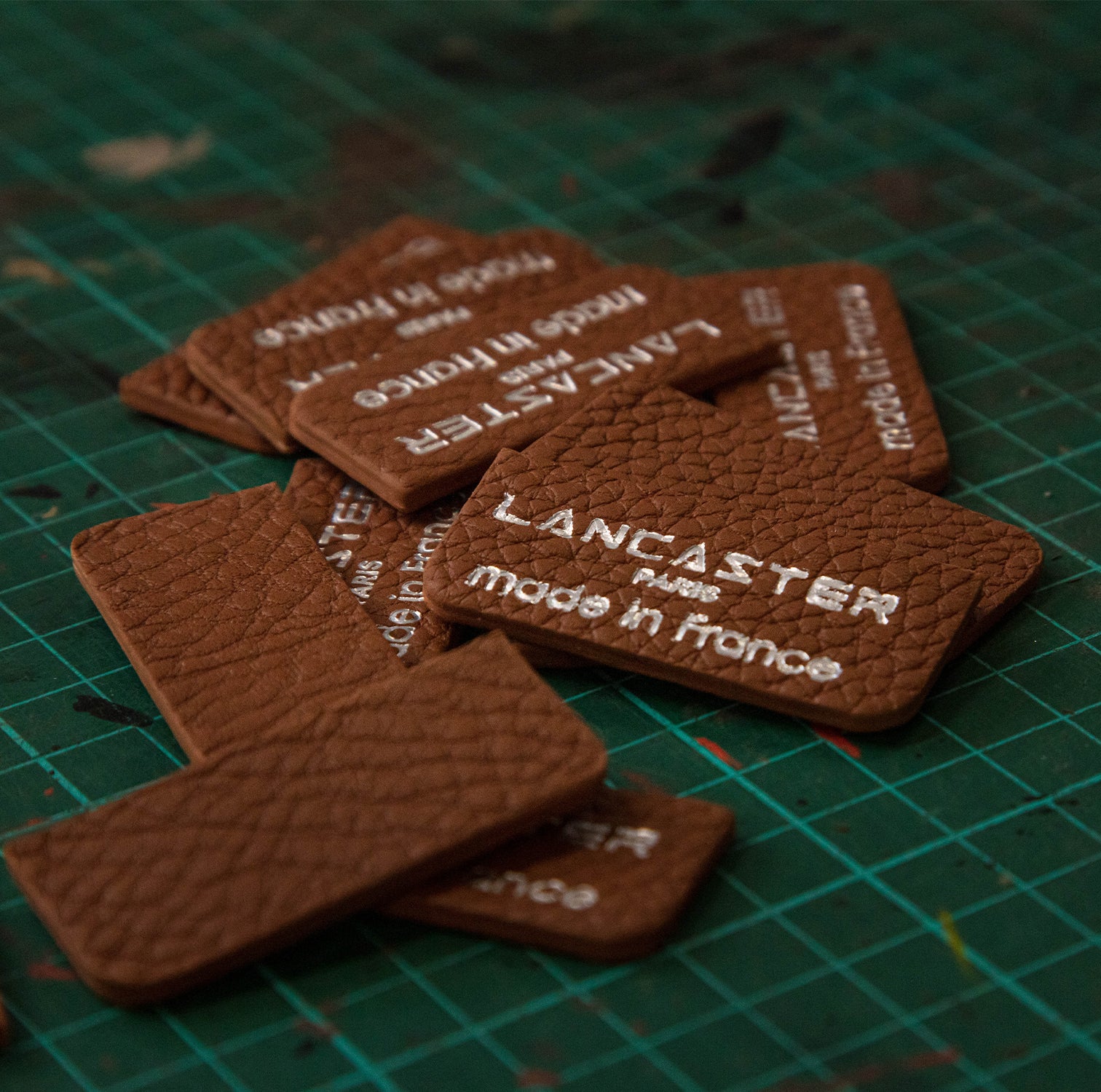
Since 2022, Lancaster has also been a member of the Leather Working Group.
Going further
We are working together towards LWG Gold certification for 100% of our raw material suppliers. Involved in working groups, notably alongside the Conseil National du Cuir, we aim to contribute to ever more sustainable tanning and strengthen our response to major challenges such as the traceability of livestock farming.


Trims and linings
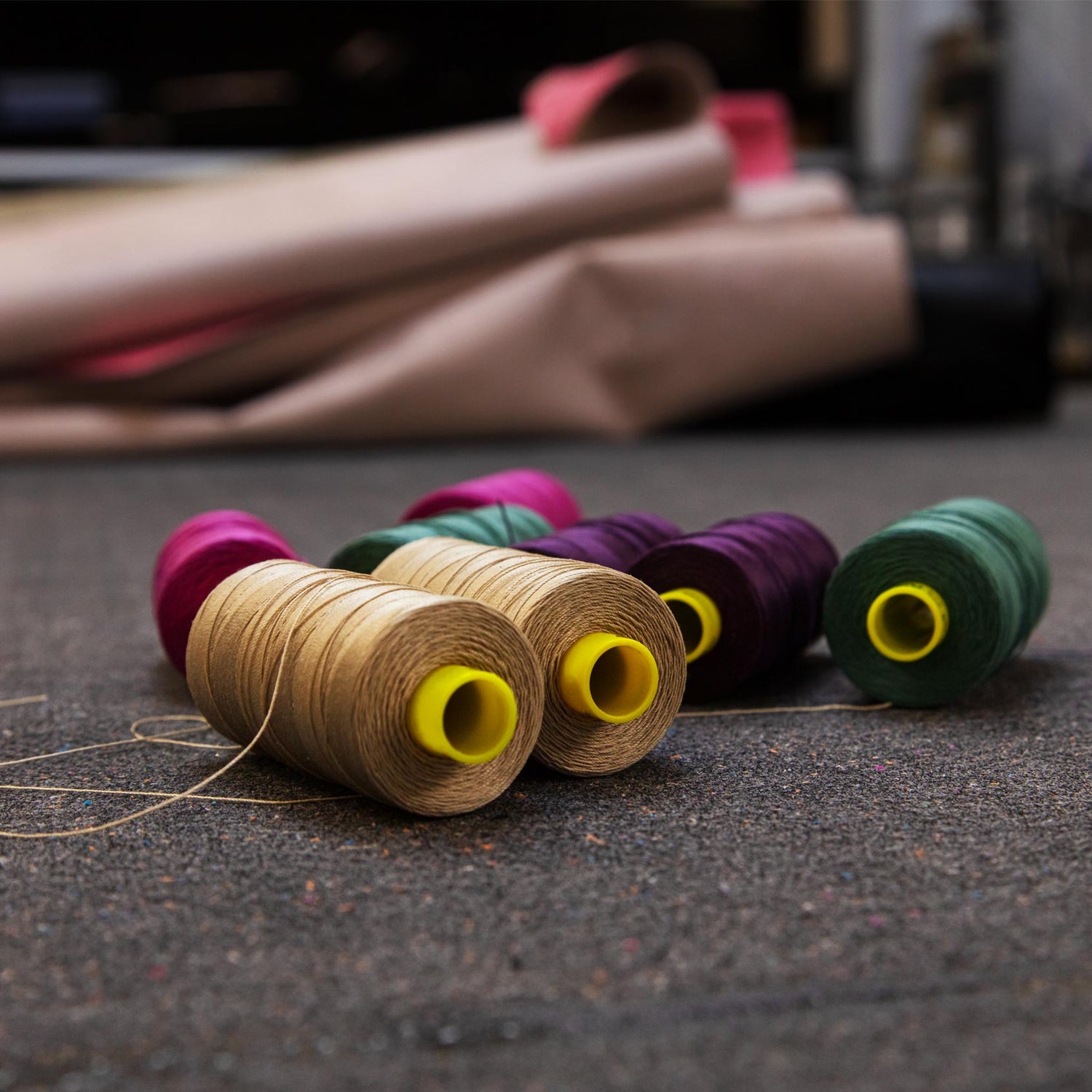
The rest of the raw materials we source are trims (clasps, rivets, zips and pull tabs) and linings (micro-suede, canvas, nylon). Processing these materials also requires the use of chemicals, which is why we require our suppliers to guarantee their safety, both for our artisans and for our clients, by complying with recognised international standards: REACH, Oeko-Tex or GRS 4.0.



When hide becomes leather
It is in the tannery that animal hides are treated chemically and mechanically to produce leather: they are first cleaned (hair and dirt removed from the outer surface and the inner skin removed), then soaked for a period of time in vats containing tanning agents. The product used may be of natural origin (tannin from oak, whose bark was ground in a bark mill, or from other forest species) or a synthetic chemical product.
A four-part approach
Lancaster is committed to responsible fashion through four essential pillars: materials sourced ethically, thoughtful production, conscious fashion, and distribution with long-term partners. View the full project report